Insect Farming Business: How to Start and What It Costs
· 4 min read
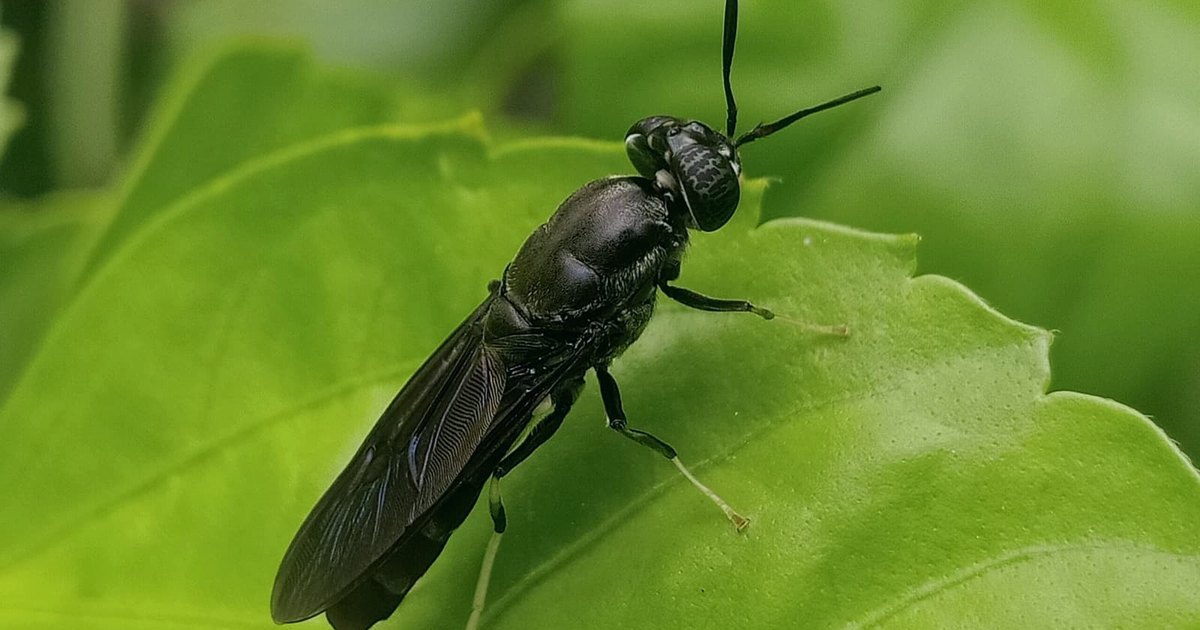
Insect farming has moved from novelty to a real agricultural sector. Interest is still climbing — worldwide searches for "insect farming" and "cricket farming" peaked in May 2026. The appeal is simple: insects turn low-value organic material into protein, fat and fertiliser using little land and water. This guide explains how to set up a farm and where the money comes from.
Why insect protein is growing
Feed demand. Fishmeal and soy are expensive and volatile; insect meal is a high-protein alternative for aquaculture, poultry, pigs and pet food.
Circular economy. Larvae can be reared on permitted agricultural by-products, cutting waste costs.
Several products from one farm. Protein meal, insect oil and frass (insect manure used as fertiliser).
Regulatory clarity in the EU. Rules for both food and feed have been set out since 2021.
Which species should you farm?
Black soldier fly (Hermetia illucens) — Main market: Animal feed, pet food, frass; Why farmers choose it: Fast growth on a wide range of feedstocks; the most farmed feed insect
Yellow mealworm (Tenebrio molitor) — Main market: Food and feed; Why farmers choose it: Authorised as novel food in the EU; easy to handle
House cricket (Acheta domesticus) — Main market: Human food (powders, snacks); Why farmers choose it: Authorised as novel food; strong consumer brand appeal
Lesser mealworm (Alphitobius diaperinus) — Main market: Food and feed; Why farmers choose it: Authorised as novel food in the EU
Migratory locust (Locusta migratoria) — Main market: Human food; Why farmers choose it: Authorised as novel food in the EU
For a first commercial farm aimed at feed, black soldier fly is usually the most practical choice. For food brands, crickets and mealworms are the established options.
The EU rules in brief
Food: insects are "novel foods". Yellow mealworm became the first species authorised in 2021, followed by migratory locust, house cricket and lesser mealworm. You can sell an authorised species in the forms and uses listed in its authorisation, with allergen labelling.
Feed: processed insect protein from approved species has been allowed in fish feed and, since 2021, in poultry and pig feed.
Feedstock: farmed insects count as farmed animals. In the EU they may only be fed materials permitted as animal feed — not manure or catering waste.
Hygiene and registration: farms and processing plants must be registered with the food or feed authority and follow hygiene rules.
Countries outside the EU, including Albania, are aligning with EU rules as part of accession. If you plan to export to the EU, build to EU standards from day one.
Setting up a farm: what you need
Building: an insulated, ventilated space with temperature and humidity control (most species grow best around 25–30 °C).
Breeding unit: a separate climate-controlled area for adult flies or beetles and egg collection.
Rearing crates and racking: stacked trays or crates for larvae.
Feed preparation: mixers and storage for substrate.
Harvesting and separation: sieves to separate larvae from frass.
Processing: blanching, drying (microwave or belt dryers), defatting press and milling to make meal and oil.
Quality lab: basic testing for moisture, protein and microbiology.
What does it cost?
Costs vary hugely with scale and automation. A small pilot (a converted farm building processing a few hundred kilograms of feedstock a day) can start with modest investment, while industrial plants cost millions. Your main cost drivers are:
Feedstock — secure a cheap, consistent, legally permitted supply first.
Energy for heating, ventilation and drying.
Labour, until you automate.
Processing equipment, which is often the largest capital item.
Write your business plan around feedstock supply and a signed offtake (buyer) before buying equipment.
Who buys insect products?
Aquaculture and poultry feed mills — insect meal and oil.
Pet food makers — a premium, hypoallergenic protein.
Farmers and garden centres — frass fertiliser.
Food brands — cricket and mealworm powder for bars, pasta and snacks.
A step-by-step start
Choose your species and target market.
Lock in feedstock and a first buyer with letters of intent.
Run a small pilot to prove growth rates and costs.
Register the facility with the authorities.
Scale gradually, automating the most labour-heavy steps first.
How Trade Harbor Solution helps
We support sustainable agriculture projects in Albania and Türkiye, including insect farming. We help with feasibility studies, equipment sourcing, company and permit set-up, and finding buyers for insect meal, oil and frass.
Exploring an insect farm? Talk to our agriculture team.
Related reading
General information; confirm authorisations and national rules for your species and market before investing. Last reviewed: November 2026.
Sources: European Commission — EU authorises insects as food (2021) · Science Media Hub — Insects as food and feed in the EU · Google Trends, "insect farming" and "cricket farming", worldwide, past 5 years