How to Start an Import-Export Business: A Practical 2026 Guide
· 4 min read
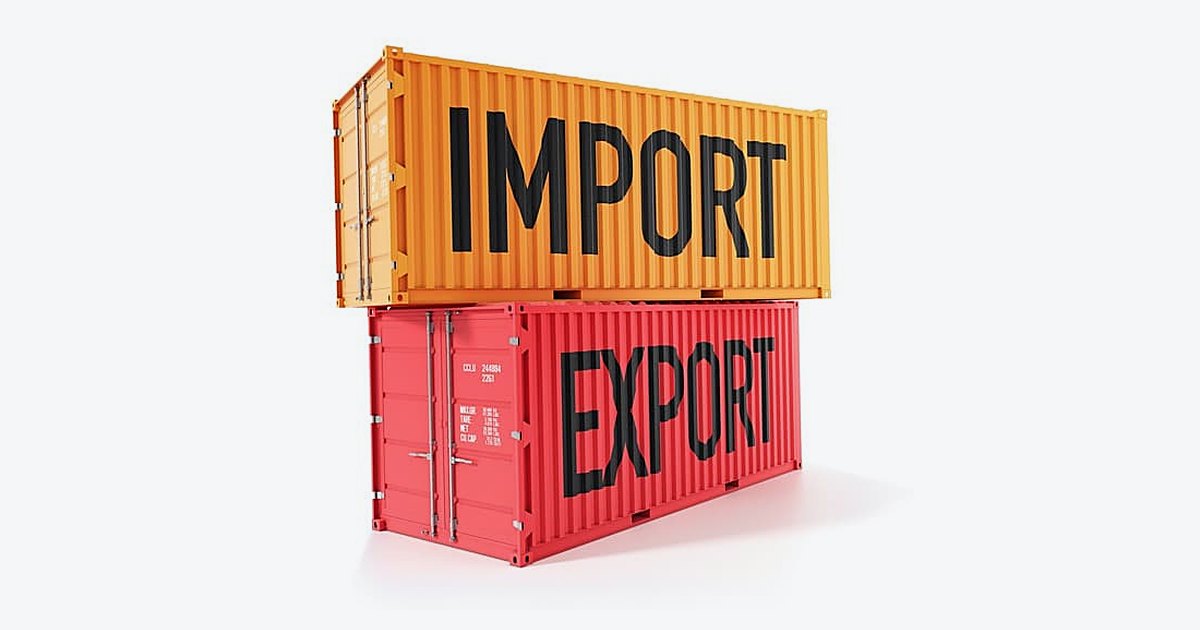
An import-export business makes money by moving goods from where they are cheap or plentiful to where they are scarce or valued. The model is simple; the margin is made or lost in the details — product choice, documents, payment terms and logistics. Here is the sequence we follow with new trading clients.
1. Choose a product and a trade lane
Start narrow: one product family, one origin, one or two destination markets. Good first products share four traits:
Clear demand you can prove with buyer enquiries, import statistics or marketplace data.
Stable specifications — a buyer can tell exactly what they will receive (grade, size, GSM, moisture).
Margin after landed cost of at least 15–25% once freight, duty, insurance and fees are included.
Manageable regulation — avoid products needing complex licences until you have experience.
Calculate a landed cost for every product before you contact buyers:
Ex-works or FOB price — Supplier quote
Freight and insurance — Forwarder quote
Import duty — Based on the HS code and origin
VAT and clearance fees — Destination customs
Inspection and certificates — Pre-shipment inspection, certificate of origin
Inland delivery — Port to warehouse
2. Set up the company and licences
You need a legal entity that can sign contracts, open a business bank account and register with customs. Depending on your country this means a customs number (an EORI number in the EU) and VAT registration. Some goods — food, chemicals, medical products, machinery — need product-specific approvals.
Many of our clients trade through an Albanian SH.P.K., which offers 100% foreign ownership, a 0% corporate tax rate on profits up to ALL 14 million until 2029, and a trade-focused position on the Adriatic.
3. Find and verify suppliers
Use trade fairs, export promotion agencies, chambers of commerce and B2B platforms.
Ask for company registration, export history and references.
Order samples and agree a written specification before the first purchase order.
Visit the factory or hire an inspection company for an audit.
Check how the supplier handles defects and late delivery — put it in the contract.
4. Find buyers
Buyers trust specifics. Prepare a one-page product sheet with specifications, packaging, MOQ, lead time, Incoterm and price. Then reach importers and distributors through trade directories, LinkedIn, trade fairs and your embassy's commercial section. Start with buyers who already import the same product — they understand the paperwork.
5. Agree terms: Incoterms and payment
Incoterms decide who pays for and takes risk on each leg of the journey. New exporters usually quote FOB or FCA (the buyer arranges main freight) or CIF/CIP (you arrange it). Always write the place and the version, for example "FOB Durrës, Incoterms® 2020".
Payment terms decide your risk:
Advance payment — Risk to exporter: Lowest; When to use: New buyers, small orders
Letter of credit — Risk to exporter: Low; When to use: Large orders, new relationships
Documentary collection — Risk to exporter: Medium; When to use: Known buyers
Open account (30–90 days) — Risk to exporter: Highest; When to use: Trusted buyers, with credit insurance
A common start is 30% deposit and 70% against a copy of the bill of lading.
6. Prepare the documents
The core set for most shipments:
Commercial invoice
Packing list
Bill of lading or air waybill
Certificate of origin (preferential origin can cut the buyer's duty)
Inspection, phytosanitary or health certificates where required
Insurance certificate (for CIF/CIP)
Errors here are the main cause of delays at customs and of rejected letters of credit. Check every document against the contract before shipping.
7. Arrange logistics
Appoint a freight forwarder to book space, handle export clearance and coordinate the carrier. Compare full container (FCL) with groupage (LCL) on cost per unit and transit time. Insure the cargo even when the Incoterm does not require it.
First-shipment checklist
Landed cost and margin calculated
Company, customs and VAT registrations active
Written specification and approved sample
Sales contract with Incoterm and payment terms
HS code confirmed for both countries
Forwarder booked and insurance in place
Documents checked against contract or LC
Pre-shipment inspection completed
How Trade Harbor Solution helps
We trade fish, vegetables, fruit, grains, oilseeds, textiles, leather, materials and machinery, and we handle sourcing, documents, customs clearance and shipping for buyers and suppliers. If you want to start trading without building every relationship yourself, we can act as your sourcing and export partner.
Have a product in mind? Send us an enquiry with the product, quantity and destination.
Related reading
General information; check regulations for your specific product and countries. Last reviewed: November 2026.